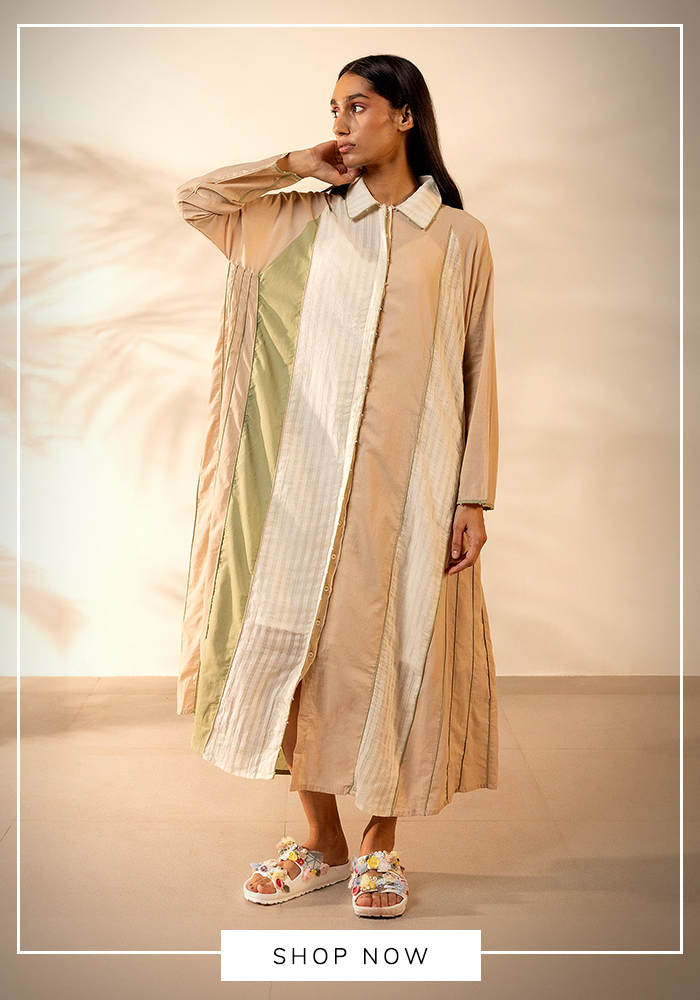
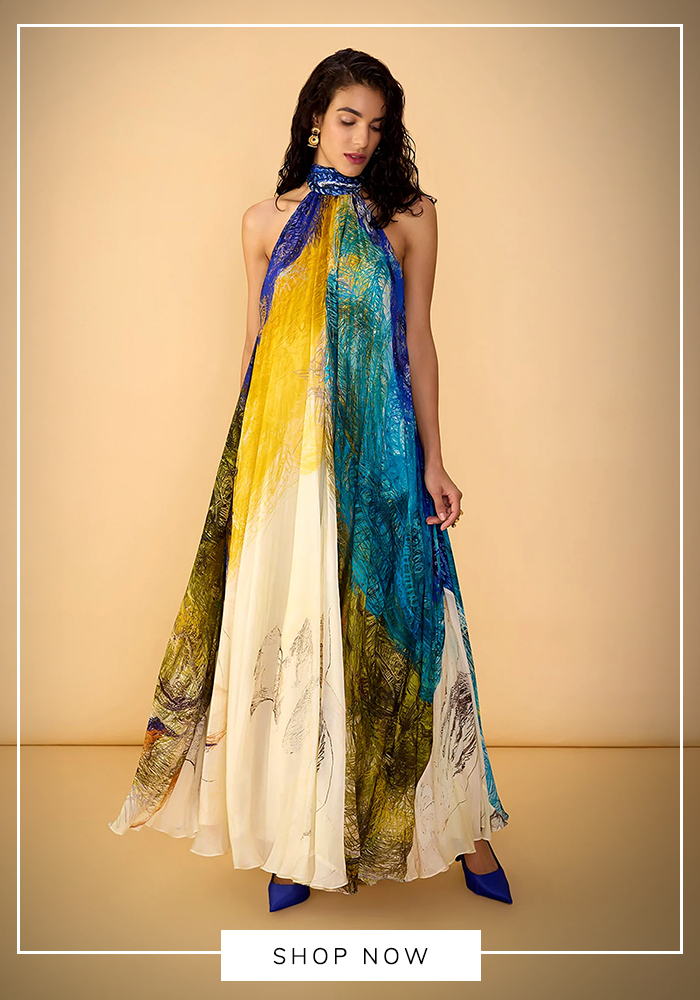
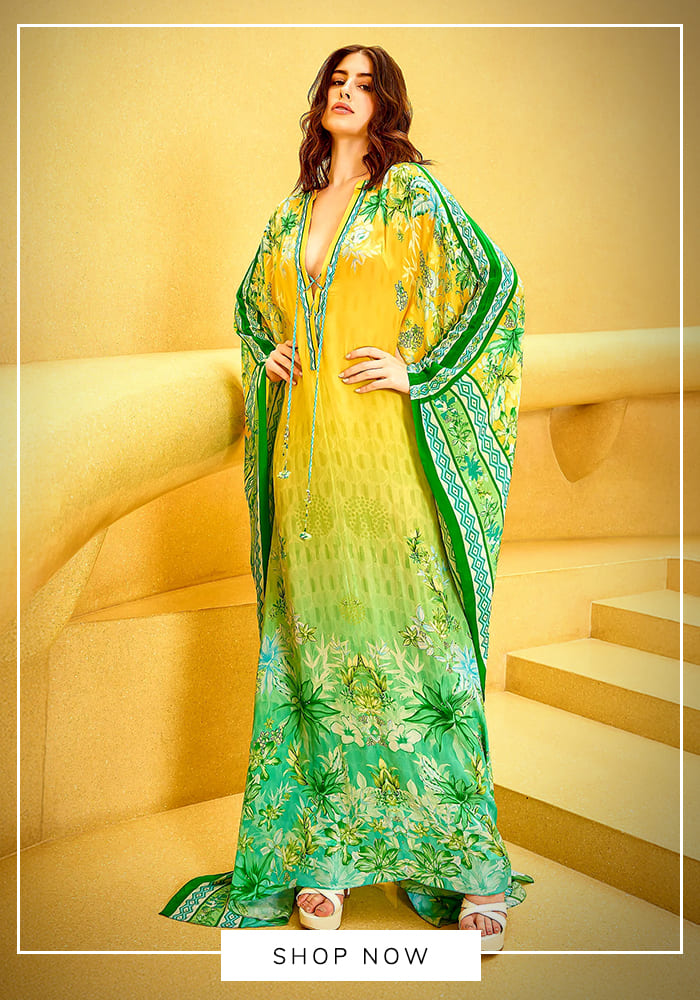
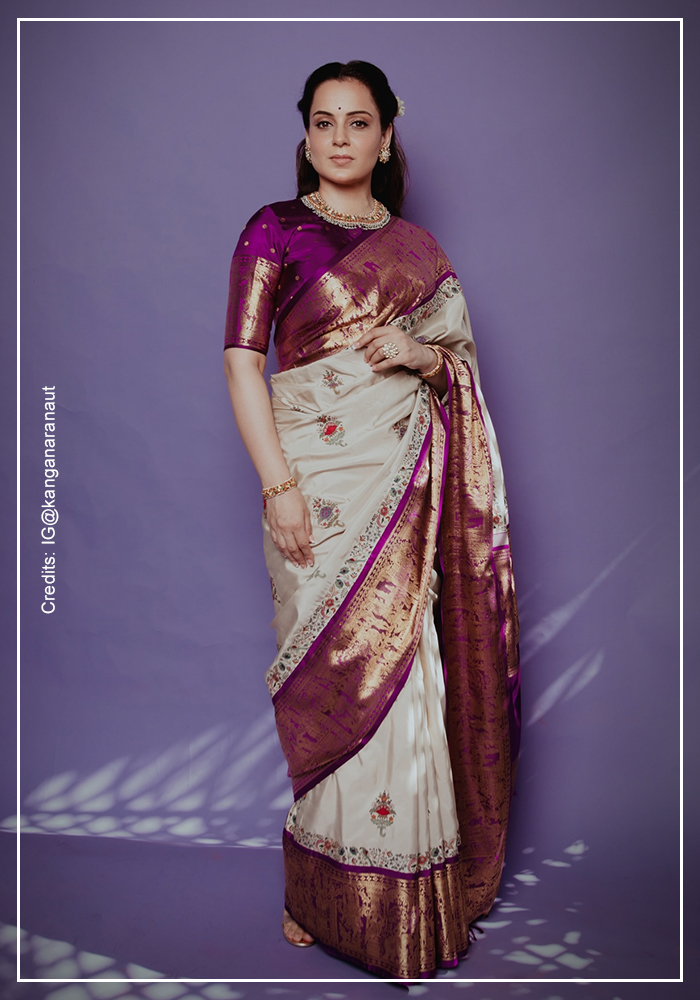
There is a particular kind of power that lives in a handwoven cotton saree, in the clinking of oxidised silver at a woman’s wrist, in the precise print of a block-stamped dupatta drying under the Rajasthani sun. For decades, India quietly set this power aside — reaching, instead, for fast fashion, Western silhouettes, and trends born on European runways. But something is shifting. Something old is returning. And it is arriving not apologetically, in the manner of nostalgia — but boldly, like a homecoming.
India is rediscovering its own fashion. Not in museums. Not in grandmother’s trunks. But on Instagram reels, at film premieres, in celebrity wedding choices, at startup offices, and at Sunday farmers’ markets. The country’s most stylish people are, increasingly, its most rooted ones.
The Moment We Noticed
Like all cultural shifts, this one is difficult to pin to a single date. But there have been unmistakable moments — flares of light that made the direction suddenly visible.

The Wedding That Said Everything
Rashmika Mandanna & Vijay Deverakonda, 2025
When two of India’s biggest pan-national stars chose to solemnize their union with deeply traditional, regionally rooted aesthetics, the internet did not just celebrate — it paid attention. Rashmika Madndanna, resplendent in a Kanjeevaram silk saree with temple-border detailing and traditional South Indian gold jewellery, and Vijay, in a pristine ivory dhoti with a bandhgala-style sherwani, sent a message louder than any fashion week runway: roots are not a compromise.
They are the destination. Within 48 hours, searches for traditional South Indian bridal wear, dhoti styling, and temple jewellery spiked across every major e-commerce platform in India.
Also Read: https://www.azafashions.com/blog/vijay-deverakonda-best-dressed-bollywood-groom/
The Red Carpet Shift
Alia Bhatt at Met Gala & Beyond
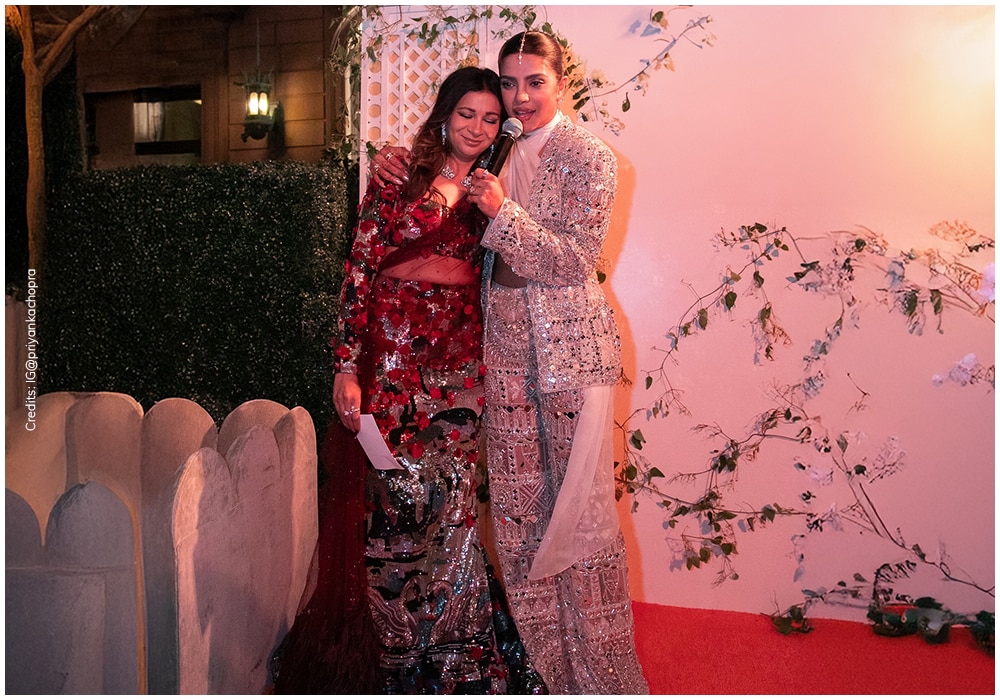
When Alia Bhatt showed up to a global premiere in a pristine white Sabyasachi with uncut diamonds or Deepika Padukone walked Cannes in a saree, they weren’t just making a fashion choice, they were making a statement. Indian screen royalty was no longer performing Western elegance for the Western gaze. It was offering itself, unapologetically Indian, to the world.


The Social Media Signal
The “Ethnic Core” Wave
Across Instagram and Pinterest, a quiet aesthetic revolution was building momentum. Content creators — from Bengaluru, Jaipur, Lucknow, Hyderabad — began styling outfits that were neither costume nor kitsch. A handloom cotton kurta with block-printed trousers. A Nivi-draped saree worn to a co-working space. A bandhgala suit at a tech conference. The hashtag #WearIndian began accruing millions of posts, and with it, an entire ecosystem of small artisan businesses found new audiences.
Why Now?
The timing is not accidental. It is the product of several forces converging at once.
The pandemic, first and foremost, forced a reckoning. Homebound and disconnected from external validation, many Indians found themselves reaching for comfort — and discovered that comfort, for them, meant a cotton kurta, a hand-embroidered dupatta, the smell of worn silk. The global pause gave people space to ask: what do I actually love to wear, when no one is watching?
Simultaneously, a new generation of Indian designers began doing the difficult, painstaking work of making heritage fashion accessible, wearable, and cool — without stripping it of its soul. Names like Anavila, Raw Mango, Tarun Tahiliani, Ritu Kumar, and Torani built loyal followers by treating the loom, the block, the embroiderer’s needle as design collaborators rather than cost centres.

And then there is the global context. As the world grows tired of the fast fashion treadmill — as conversations about sustainability, slow fashion, and ethical consumption enter the mainstream — Indian heritage fashion suddenly looks like the answer it always was. Handwoven. Naturally dyed. Made by skilled artisans in living craft traditions. Biodegradable. Timeless.
“What India calls ‘traditional’ the world is increasingly calling ‘sustainable’, ‘ethical’, and ‘future-forward’.”
What India is Wearing Again
The revival is not monolithic. It is a chorus of regional voices, each rediscovering its own genius. Here is what is coming back — and why it never should have left.
Classic Saree Draping Styles
The saree is having its most elegant moment in decades — but not just any drape. Women are returning to regional styles: the Nivi of Andhra, the Maharashtrian nauvari, the Bengali atpoure, the Coorgi style worn pinned at the shoulder. Each drape carries the memory of a geography, a community, a way of moving through the world. On social media, saree draping tutorials have become a genre unto themselves — watched by millions who grew up never having been taught.


Bandhgala
Once confined to the wardrobes of maharajas and Nehruvian statesmen, the bandhgala — that distinctive stand-collar, button-front jacket — is back with a vengeance. It is being worn by grooms who want elegance without ostentation, by young professionals who want to look authoritative without looking Western, and by fashion-forward men who have discovered that nothing fits the Indian male silhouette quite so perfectly. In linen, in silk, in handloom cotton — the bandhgala is India’s answer to the blazer, and it is better.


Kamarbandh
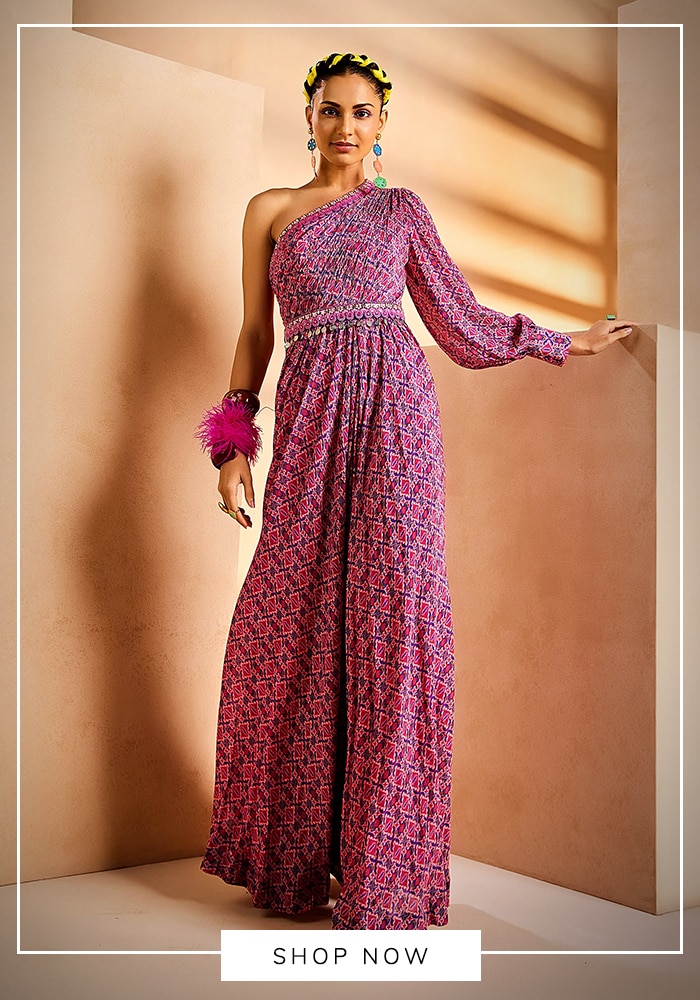
The kamarbandh — the ornamental waistband worn traditionally in classical dance, bridal wear, and Mughal court aesthetics — is being repurposed by a new generation of stylists as the definitive statement accessory. Worn over sarees, over lehengas, even over contemporary Indo-Western sets, the kamarbandh cinches not just the waist but the entire look. Designers are producing them in gold, in silver, in beaded form, in mirror work — and they are selling out almost as fast as they are made.


Kolhapuri Chappals
Arguably India’s most iconic footwear, the Kolhapuri chappal — hand-crafted from vegetable-tanned leather, punched with intricate patterns, traditionally made in the Kolhapur region of Maharashtra — has found its way from village cobblers to global fashion weeks. Worn with sarees, with jeans, with linen co-ords, the Kolhapuri is having a moment that feels permanent. It is comfortable, artisanal, distinctly Indian, and — crucially — it goes with almost everything. The GI-tagged craft is now being celebrated rather than overlooked.


Ajrakh & Block Prints
Ajrakh — the ancient resist-printing technique of Kutch and Sindh, in which geometric patterns are block-printed and naturally dyed through a laborious multi-day process — has become one of the most sought-after fabrics in India’s conscious fashion movement. Its deep indigo and madder-red geometries feel simultaneously ancient and contemporary. Alongside ajrakh, the broader world of Indian block printing — from Bagru to Sanganer, from dabu to bagh — is experiencing a collector-level following among those who understand that each metre of cloth is a slow, careful act of creation.


Oxidised Jewellery
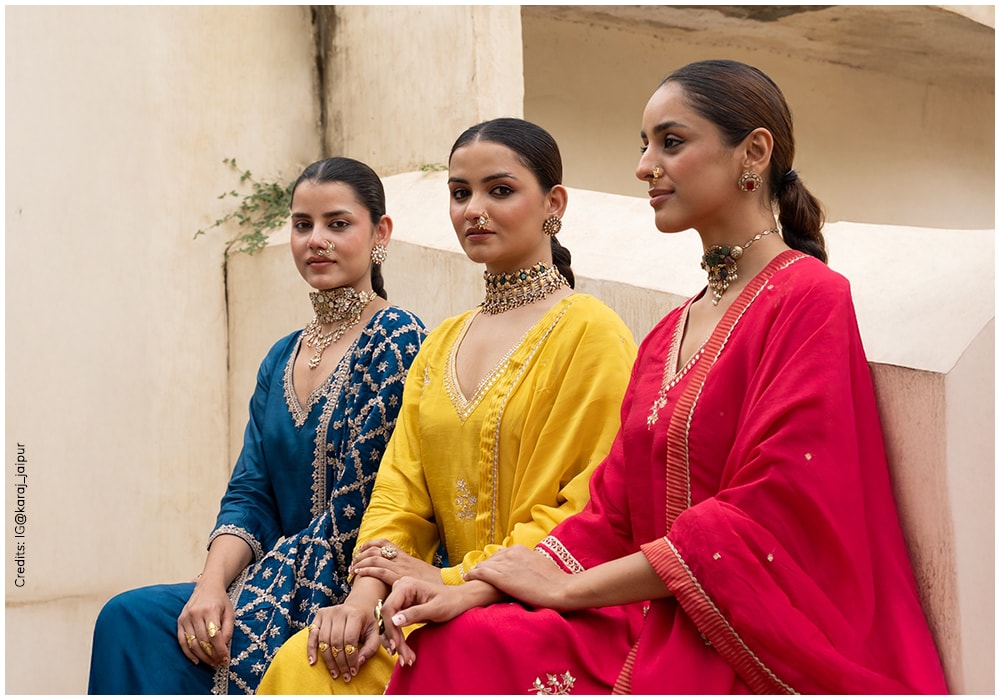
Once considered the poor cousin of gold and diamond, oxidised silver jewellery — darkened, textured, often set with semi-precious stones, glass, or meenakari enamel — has become the accessory of choice for women who want to look both artistic and rooted. Worn with handlooms, with cotton sarees, with block-printed kurtas, a chunky oxidised necklace or a pair of jhumkas announces a sensibility: that you value craft, you value texture, you value the artisan’s hand over the jeweller’s machine. The demand has surged to the point where artisan-led oxidised jewellery businesses are back-ordered for weeks.


Handloom Fabrics & Weaves
Whether it is the feather-soft Chanderi from Madhya Pradesh, the geometric Pochampally ikats of Telangana, the tissue-thin Banarasi organza, or the rough, warm khadi that Gandhi made into a political act — handloom fabrics are being purchased, preserved, and passed on with renewed pride. The handloom tag is increasingly a mark of quality, sustainability, and cultural investment. Young urban buyers, armed with information, are seeking out weavers directly, cutting out middlemen, and building wardrobes that also serve as archives of living Indian craft.

Also Read: https://www.azafashions.com/blog/why-phulkari-is-back-in-fashion/
The post How India is Falling Back in Love with Its Own Fashion appeared first on Aza Editorials.