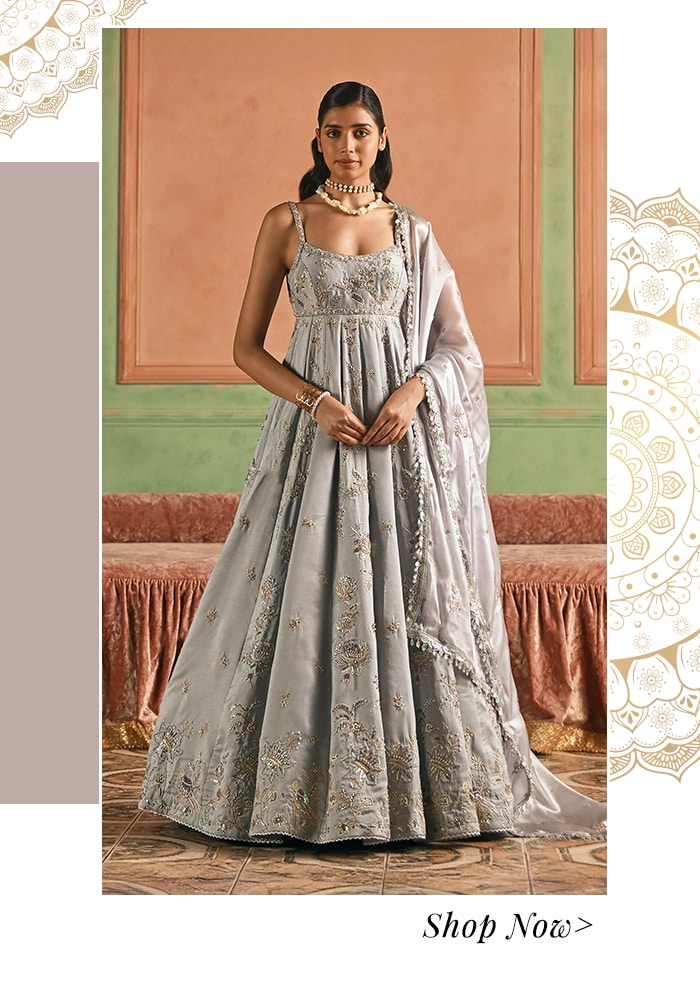
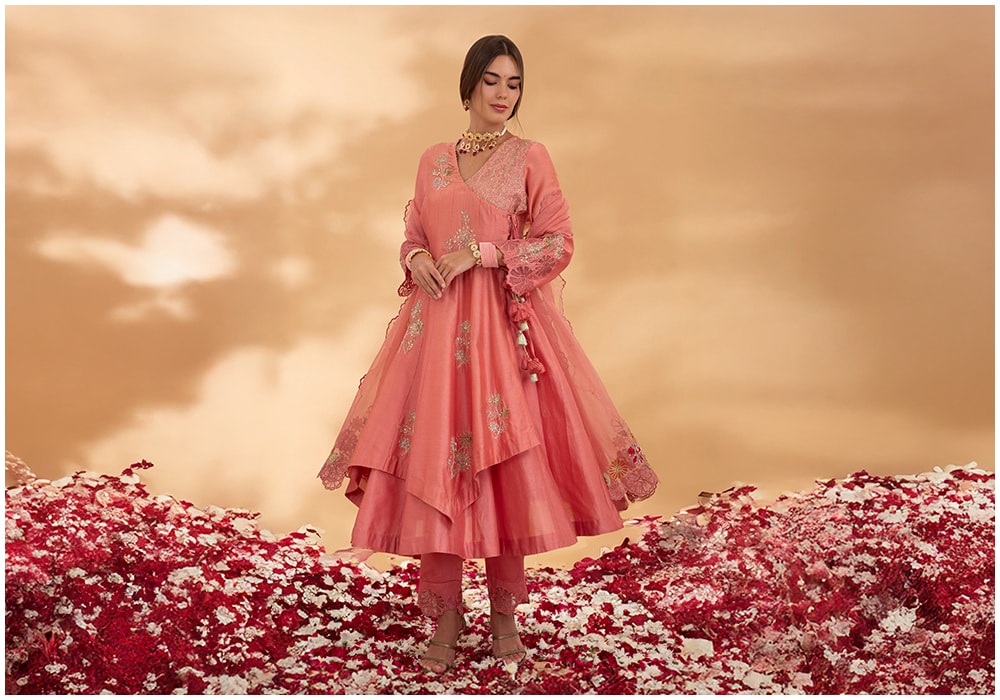
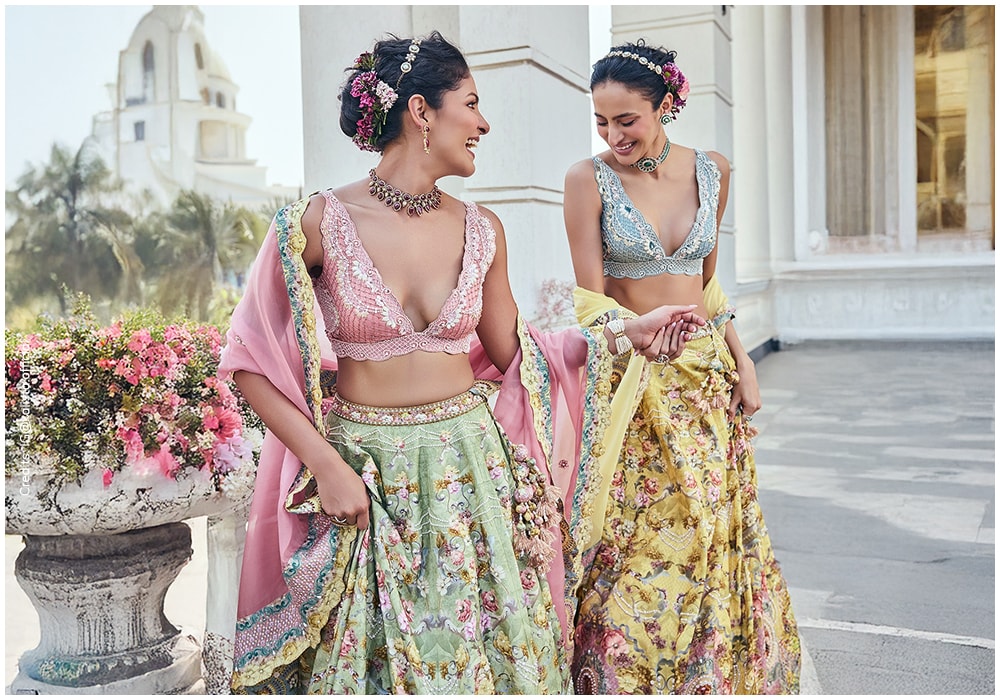
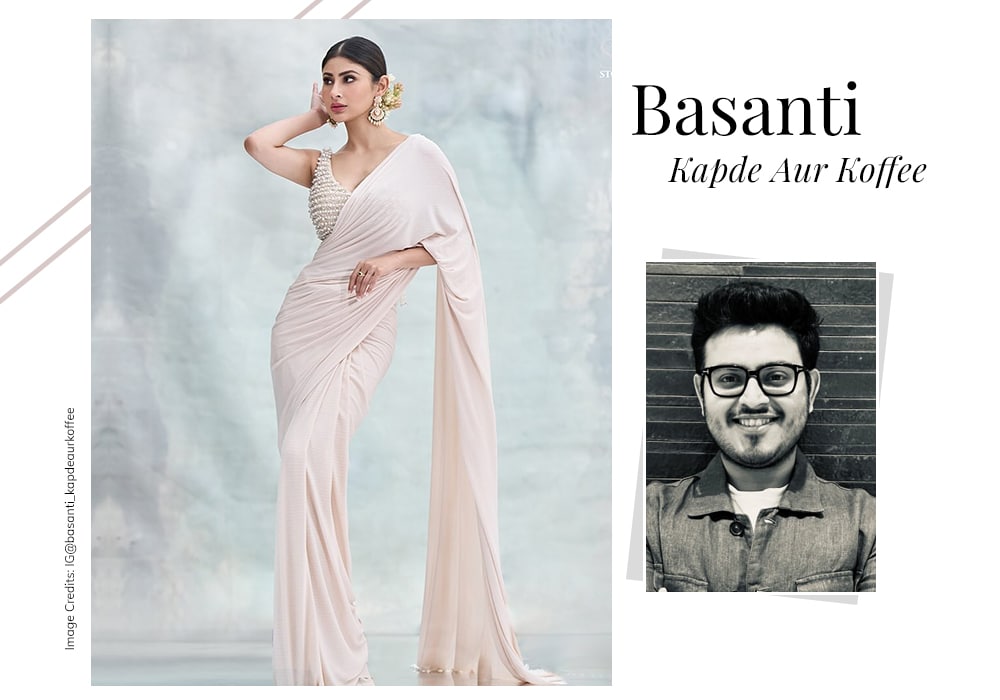
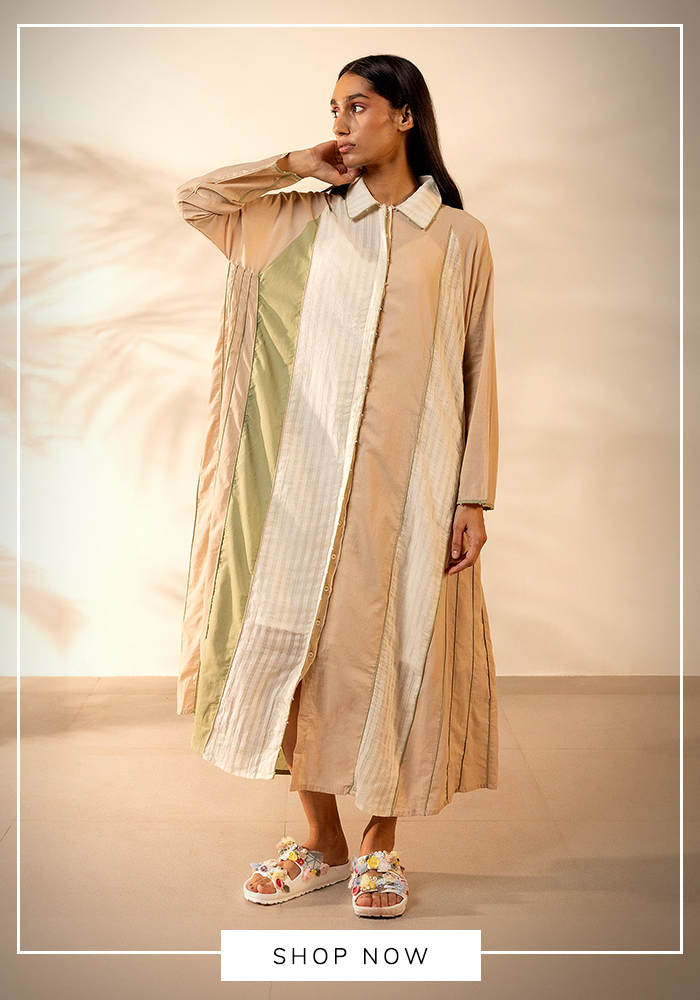
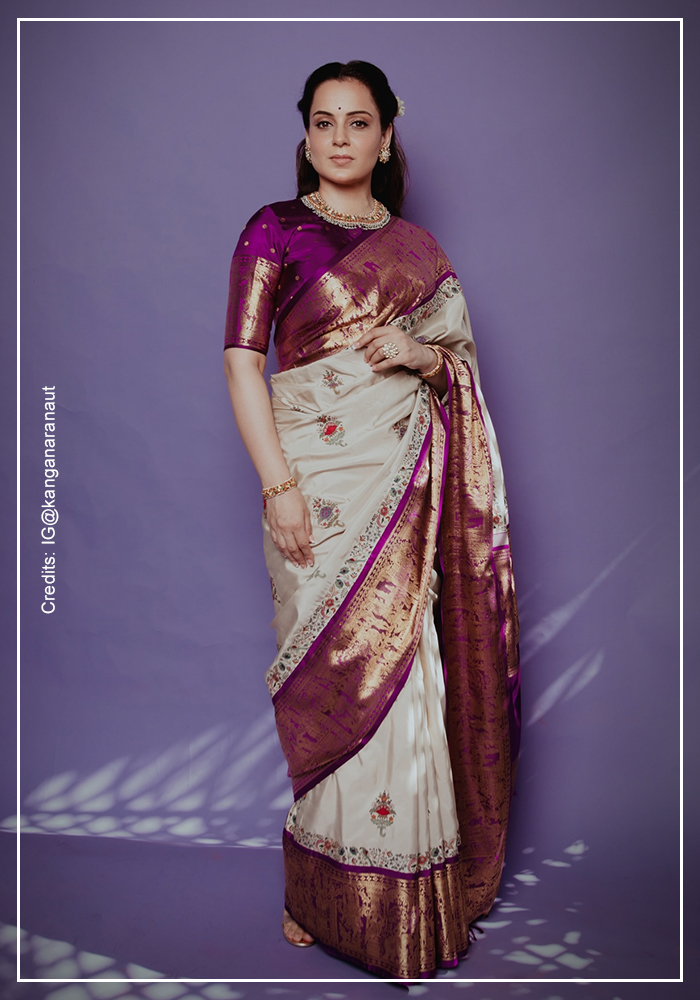
When you hold a piece of delicate fabric adorned with fine white threads, it feels weightless and effortless, as if the patterns simply floated onto the cloth. Yet, this striking lightness masks an intense labor of love that can take up to six months to complete. Rooted in the regal city of Nawabs, Lucknow chikankari represents a pinnacle of meticulous artistry. Artisans spend countless hours turning simple fabrics into intricate tapestries of light and shadow. This handcrafted indian embroidery relies entirely on subtlety and precision, where the quiet rhythm of a needle creates masterpieces that transcend generations. To wear chikankari embroidery is to wear half a year of unwavering dedication.
The Six-Month Story Behind Every Thread
The journey from a blank yard of fabric to a finished masterpiece is a study in patience. The chikankari embroidery process demands intense focus, passing through several specialized hands before it ever reaches a wardrobe. Creating authentic handmade chikankari requires distinct, deliberate phases:
- Fabric preparation and selection: Artisans carefully choose soft, breathable textiles that can withstand months of needlework without losing their drape or integrity.
- Block printing the design: Craftspeople stamp the chosen patterns onto the fabric using wooden blocks dipped in temporary, washable dyes to serve as a guide.
- Hand embroidery techniques: Skilled embroiderers trace the printed lines with their needles, spending weeks or months bringing the floral and geometric motifs to life.
- Washing and finishing: The fabric undergoes rigorous washing to remove the printed ink and soften the threads, revealing the pristine final design.

Signature Stitches That Define Chikankari
What makes this art form visually distinct is its incredible variety of textures. Artisans use up to 32 distinct chikankari stitches to create depth rather than simply repeating a single method. For instance, bakhiya embroidery creates a beautiful shadow effect by filling the pattern on the back of the fabric, allowing the design to gently show through on the front. Meanwhile, phanda yields tiny, raised knot-like textures, and jaali work chikankari mimics the look of delicate latticework by carefully pulling apart the warp and weft threads without cutting them. Together, these techniques form a multidimensional surface that catches the light from every angle.
A Craft That Moves with Time, Not Trends
While deeply rooted in tradition, this art form gracefully adapts to the present moment. Modern chikankari styles have expanded far beyond the classic white-on-white muslins. Today, you will find this delicate threadwork gracing softer pastel palettes, bold jewel tones, and luxurious modern fabrics like organza and silk. It has seamlessly woven its way into contemporary indian embroidery by embracing modern silhouettes—from tailored trousers and structured jackets to breezy resort wear—all while retaining the unmistakable identity that makes the craft so special.
What Six Months of Craft Really Means
Holding a garment that took six months to make shifts how we think about what we wear. It represents a commitment to slow fashion India, prioritizing deep skill and generational craftsmanship over mass production. Every floral motif and shadowed petal carries the physical time and silent stories of the artisans who made it. Investing in artisan made clothing means supporting a living heritage and choosing enduring value over fleeting seasonal fads.

How to Identify Authentic Chikankari
With the rise of machine-made replicas, knowing how to spot authentic chikankari work preserves the integrity of the craft. A true hand embroidered chikankari reveals its human origins if you know where to look. You can identify the real work through a few distinct markers:
- Slight irregularities that signal handwork: No two motifs will look perfectly identical, as human hands naturally create tiny variations.
- Neat but visible threadwork on the reverse: The back of the fabric will show the careful, complex knots and traveling threads of the artisan.
- Soft, breathable fabrics that complement the embroidery: True artisans use high-quality, natural textiles that allow the needle to glide and the fabric to drape beautifully.
When and Where to Wear Chikankari
Because of its breathable nature and elegant drape, this craft fits perfectly into both quiet moments and grand celebrations. Flowing chikankari outfits for summer offer unmatched comfort during warm, sunlit days. Yet, the work is refined enough for intimate gatherings and understated festive moments, making lightweight ethnic wear an essential staple for anyone seeking grace without the weight of heavy embellishments.
Discover Chikankari Styles at Aza Fashions
If you want to bring this exceptional craft into your wardrobe, Aza Fashions offers a thoughtfully curated edit. From an everyday designer chikankari kurta to elevated festive pieces, the selection feels both refined and relevant. It is a place where chikankari styles at Aza Fashions translate effortlessly into modern dressing, giving you access to luxury chikankari outfits that strike the perfect balance between timeless tradition and contemporary design.


Chikankari stands apart not just for how it looks, but for exactly how it is made. It carries time, skill, and deep intention in every single thread. When you choose to wear it, you are doing much more than following a trend. You are honoring centuries of artistry and owning something beautiful that truly lasts.
The post Did You Know Chikankari Takes Up to 6 Months to Embroider by Hand? appeared first on Aza Editorials.