Spring brings a universal sense of renewal, but for the Assamese community, it heralds something much deeper. Bihu represents the vibrant spirit of spring, the gratitude of the harvest, and an overwhelming sense of joy. Historically rooted in the lush landscapes of Northeast India, the Bihu festival has gracefully traveled well beyond state borders.
As people move for education and careers, they carry their rich heritage with them. Today, Bihu pulses through the concrete veins of India’s major metropolises. From lively cultural events to community feasts, the festival thrives in urban spaces. Alongside the music and food, a magnificent sartorial evolution has emerged. People are finding beautiful, innovative ways to wear traditional Assamese outfits while embracing city life.
Bihu in India’s Big Cities
When April arrives, the rhythms of the dhol and pepa echo through auditoriums and open-air venues in Delhi, Mumbai, Bangalore, and Pune. Assamese cultural associations in these cities work tirelessly to recreate the magic of the homeland.
You will find expansive community gatherings where hundreds come together to celebrate. People set up vibrant food stalls serving authentic delicacies like pitha, laru, and masor tenga. Stages light up with energetic Bihu dance performances, drawing cheers from both Assamese locals and their cosmopolitan friends. These urban celebrations are lifestyle-driven, welcoming everyone to experience a slice of Eastern India. You might start your day at an informal community lunch and end it at a massive, ticketed cultural night filled with live music and dancing.
How People Dress for Bihu in Cities
Fashion during Bihu has evolved into a stunning visual display of heritage meeting modernity. Whether attending a grand cultural function or hosting an intimate dinner, city dwellers carefully curate their festive wear. Here is how people are dressing for Bihu across major urban centers.
Traditional Elegance
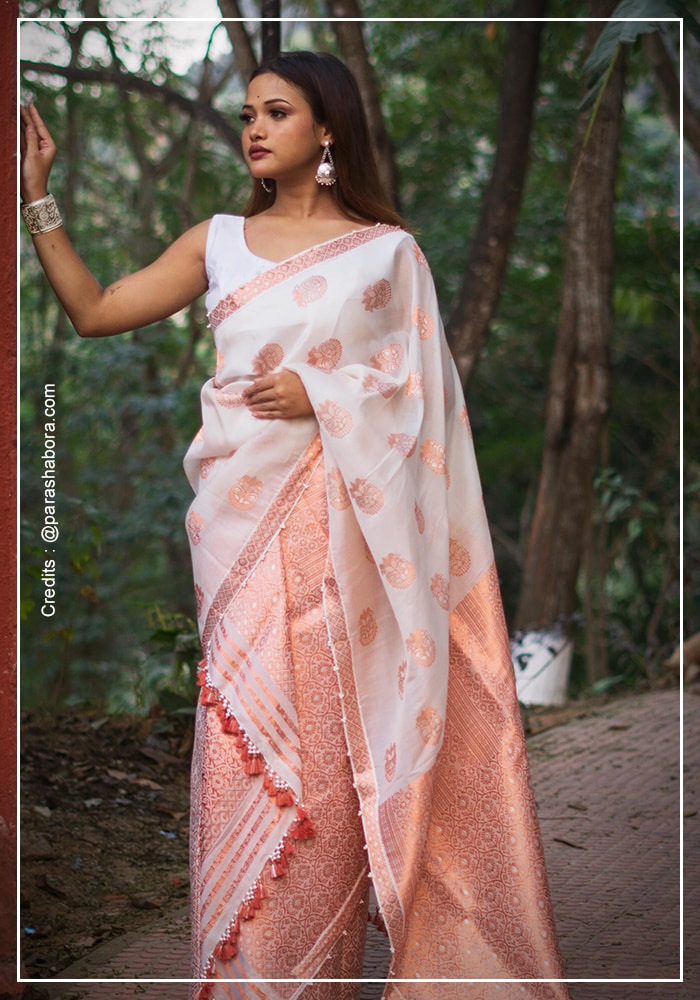
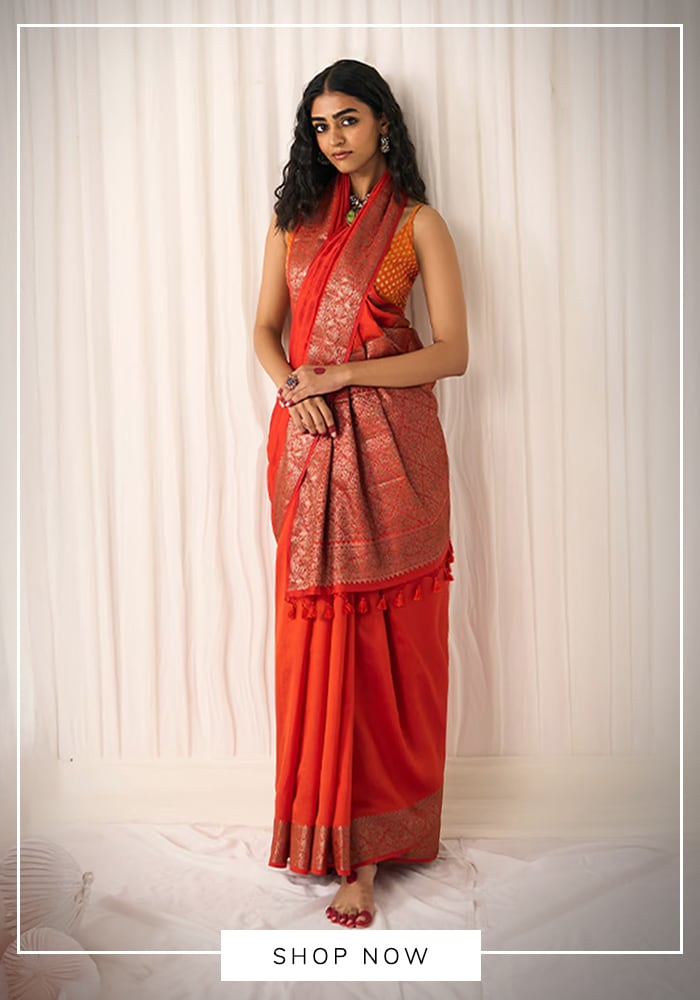
Nothing captures the essence of the festival quite like the traditional mekhela chador. Women often choose this two-piece garment in rich silk, breathable cotton, or the highly coveted golden muga silk. Classic motifs like the gos buta (tree motif) or kingkhap run along the borders, weaving stories of ancestral craftsmanship. Draped in the traditional style, the mekhela chador remains the absolute standard for major cultural functions and evening gatherings. It commands respect and turns heads with its timeless grace.
Contemporary Ethnicwear
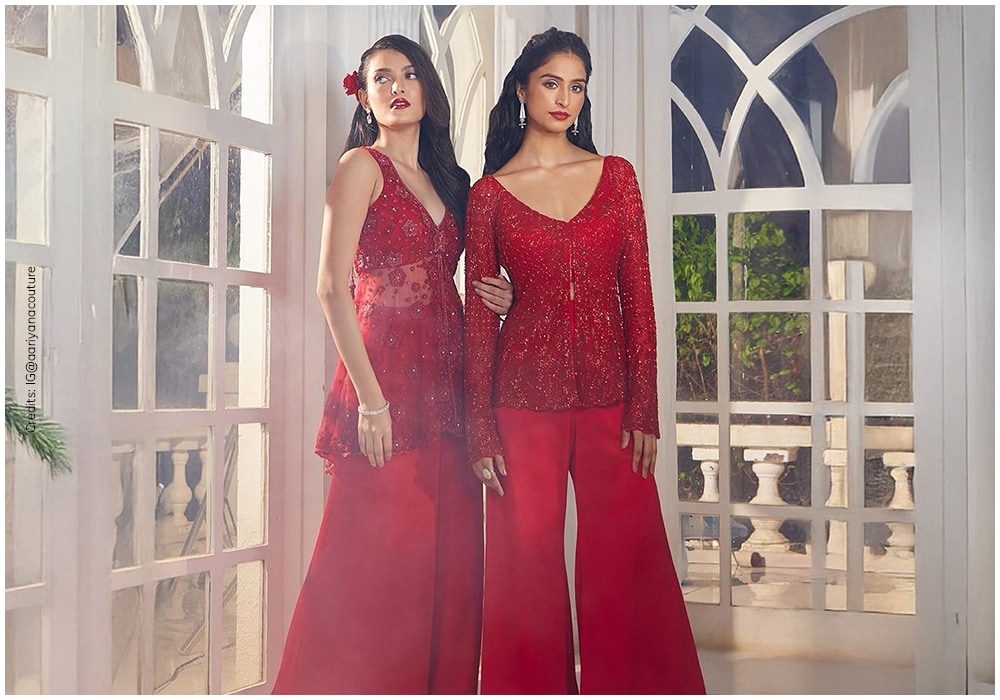
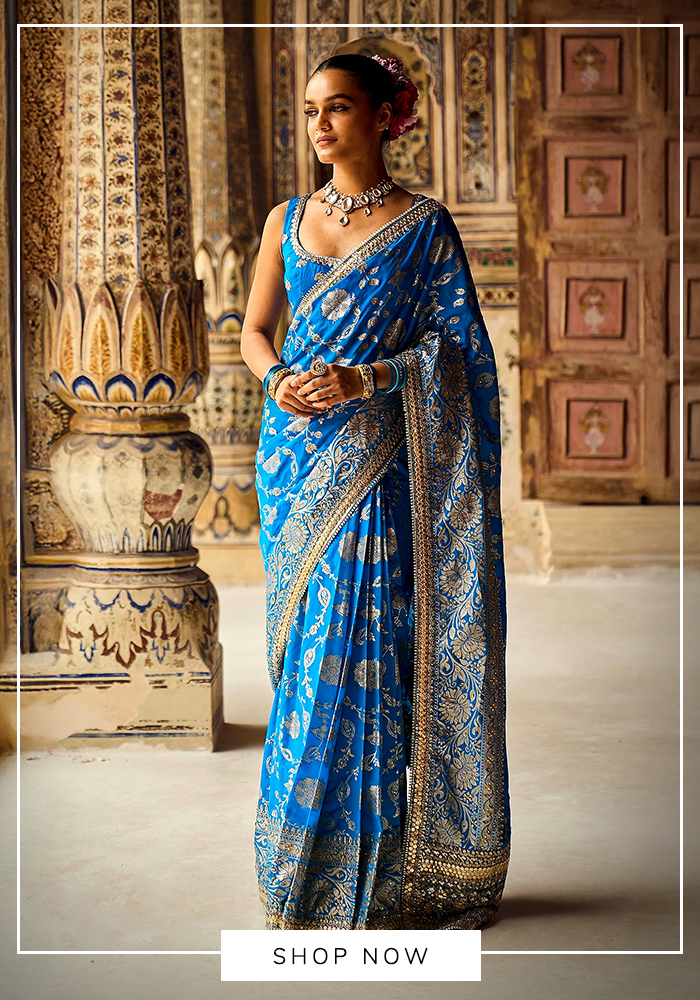
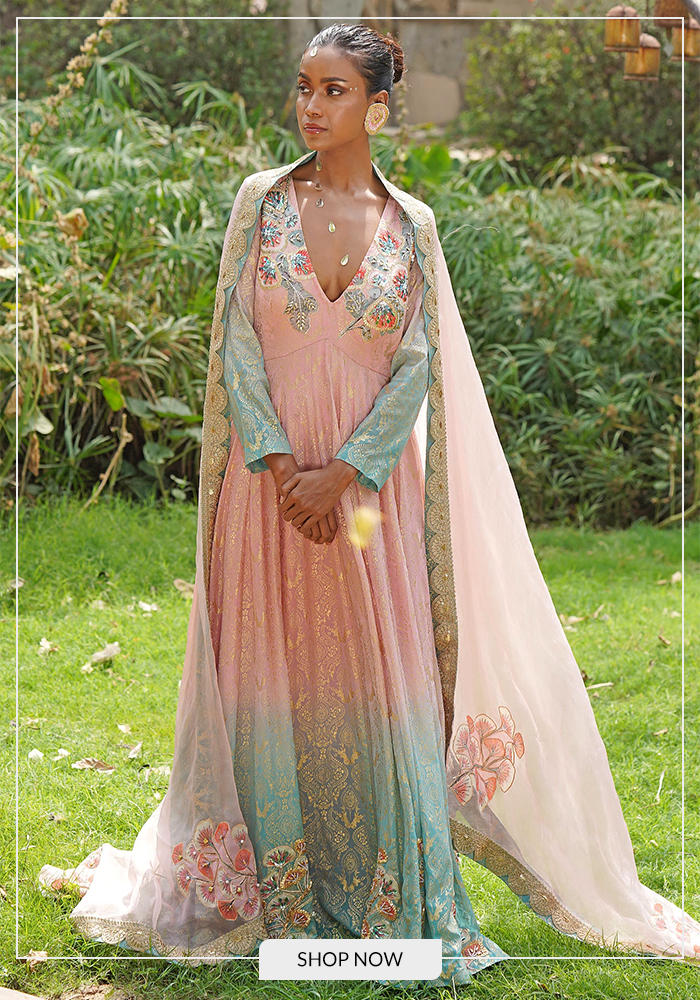
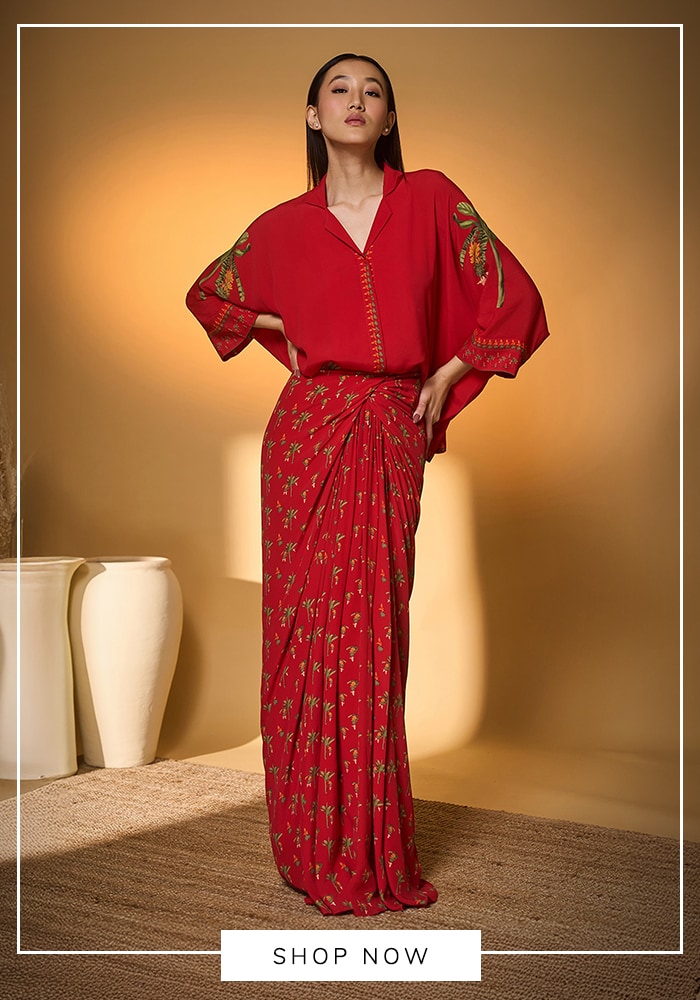
For those seeking a middle ground between heritage and ease, contemporary ethnic wear offers the perfect solution. Women frequently pair silk sarees with modern, architectural blouses. You will also see lightweight lehengas and flowing anarkalis crafted from traditional Assamese textiles. This approach fuses the rich, tactile feel of handwoven fabrics with modern silhouettes. It allows you to move freely through crowded community halls while still honoring the traditional aesthetic.
Fusion Looks
Urban fashion scenes thrive on experimentation, and Bihu fusion fashion is no exception. Younger generations often mix Indo-western elements to create standout looks. Think handloom crop tops paired with draped skirts, or chic co-ord sets crafted from Eri silk. Many elevate these handloom fabrics by adding structured jackets or statement belts. These fusion looks work brilliantly for college events, casual parties, or art-driven Bihu gatherings where individual style takes center stage.
Casual Festive Dressing
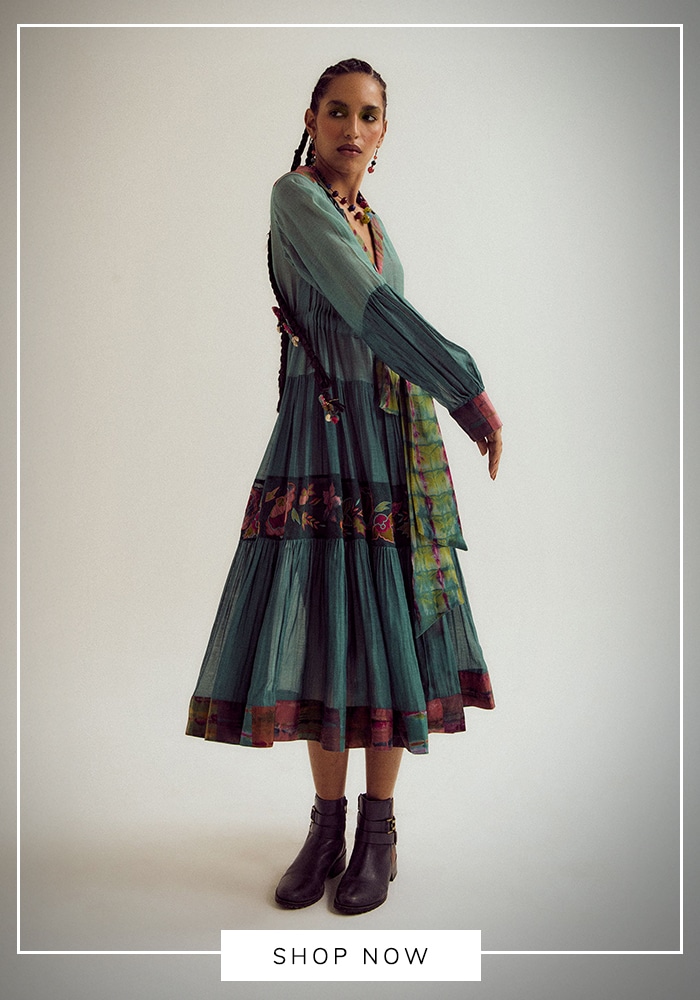
Not every Bihu event requires heavy silk and elaborate draping. For daytime gatherings, society brunches, or informal celebrations, comfort becomes a priority. Casual festive dressing embraces breathable kurtas, relaxed midi dresses, and easy-breezy silhouettes. A simple cotton kurta featuring subtle Assamese embroidery allows you to celebrate the day while navigating the warm April weather of Mumbai or Bangalore.
Statement Accessories
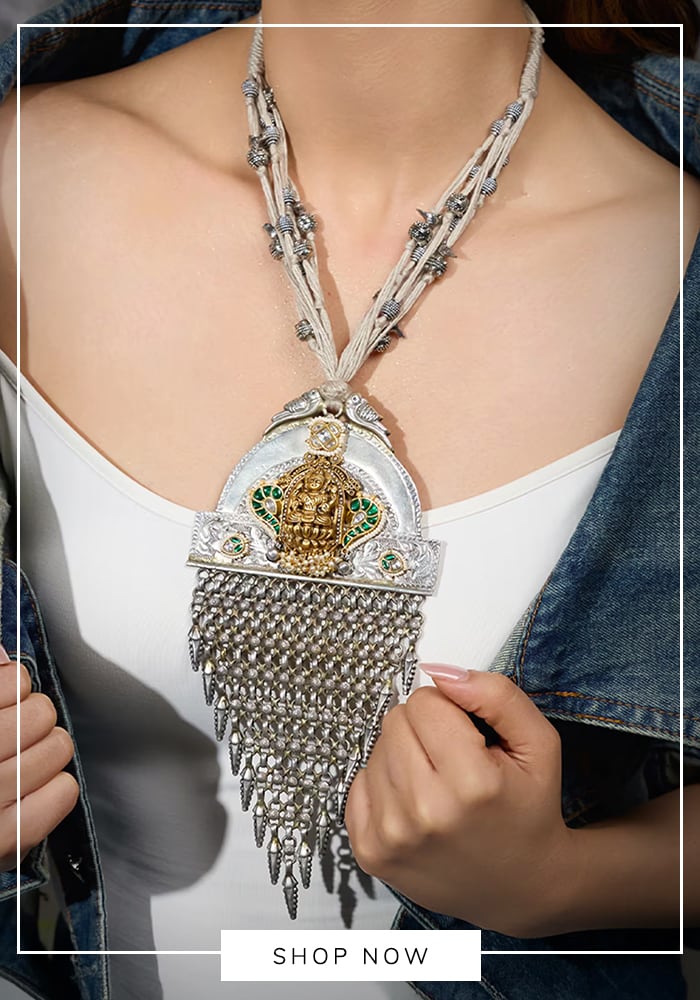
Accessories can instantly transform a simple outfit into a celebration of culture. Assamese jewellery plays a massive role in festive styling. Pieces featuring traditional gold motifs, like the dholbiri (drum-shaped pendant) or junbiri (crescent moon), add instant authenticity to any look. If you prefer a more bohemian vibe, chunky oxidized silver pieces pair beautifully with fusion outfits. Thoughtful hair accessories, like fresh orchids or simple embellished pins, complete the look and elevate your entire outfit.
Regional Influence Meets Urban Style
The beauty of migration lies in how cultures blend and influence one another. In metro cities, Assamese textiles are stepping out of their traditional boundaries. Metro fashion scenes are quickly recognizing the luxury of muga and the versatility of Eri silk.
Local boutique designers in Delhi and Bangalore now incorporate Assamese motifs into everyday power suits, trench coats, and evening gowns. The distinct color palette of red, gold, and earthy neutrals has become a popular choice for urban festive wardrobes. This cross-cultural exchange ensures that Assamese handlooms remain relevant, dynamic, and highly sought-after in the broader Indian fashion landscape.
Tips to Dress for Bihu in the City
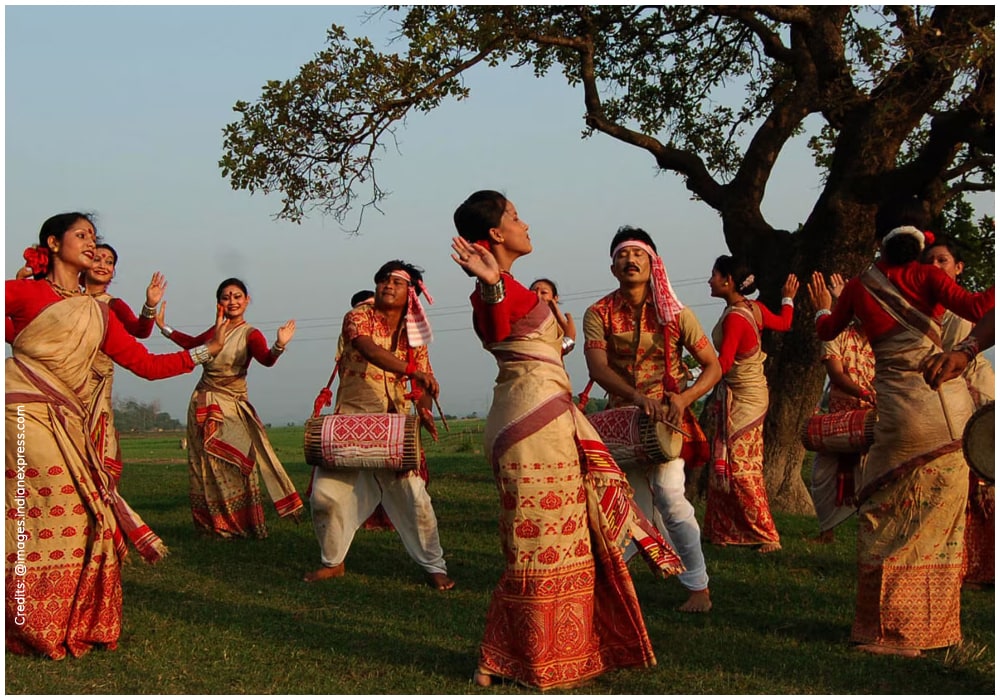
Navigating a city celebration requires a bit of strategic planning. Keep these practical tips in mind as you put together your Bihu wardrobe:
- Prioritize breathable fabrics: Cities like Mumbai and Chennai can get incredibly humid in April. Opt for cotton mekhela chadors or lightweight Eri silk to stay comfortable all day.
- Plan for day-to-night transitions: If you are attending a daytime food festival that leads into an evening cultural show, layer your outfit. Start with a simple kurta and add a heavily embroidered jacket or a statement silk dupatta as the sun goes down.
- Balance tradition and mobility: If you plan on joining the Bihu dance circles, ensure your outfit allows for free movement. A pre-stitched mekhela chador or a well-fitted fusion set will keep you agile without sacrificing style.
- Let one element shine: If you wear a heavily patterned outfit, keep your jewellery minimal. Conversely, if you choose a solid-colored dress, let your traditional Assamese accessories take the spotlight.
Bihu continues to thrive far beyond the borders of Assam. It brings communities together, transforming the vast anonymity of big cities into warm, familiar spaces. As the festival adapts to urban life, so does its fashion. By blending the sacred threads of the past with the bold silhouettes of the present, we keep the spirit of Bihu alive, vibrant, and incredibly stylish.
The post Bihu Beyond Assam: How India’s Big Cities Celebrate and Dress appeared first on Aza Editorials.