
Spring in Punjab brings a special kind of magic. The golden wheat fields sway in the breeze, and the air fills with the sounds of dhol beats and joyous laughter. This vibrant energy signals the arrival of Baisakhi, a festival deeply rooted in the heart and soul of the region.
Whether you grew up celebrating it or want to join the festivities for the first time, this harvest festival offers an incredible experience. It marks the Sikh New Year and commemorates the formation of the Khalsa Panth by Guru Gobind Singh Ji in 1699. Beyond its profound religious significance, it stands as a massive thanksgiving celebration for farmers bringing in the first harvest of the year.
If you want to understand the true spirit of this spring festival, you need to dive into its rich customs. Let us explore the heartfelt rituals, mouth-watering foods, energetic dances, and vibrant festival fashion that make this day so spectacular.
The Heart of Punjab: Rituals and Traditions of Baisakhi
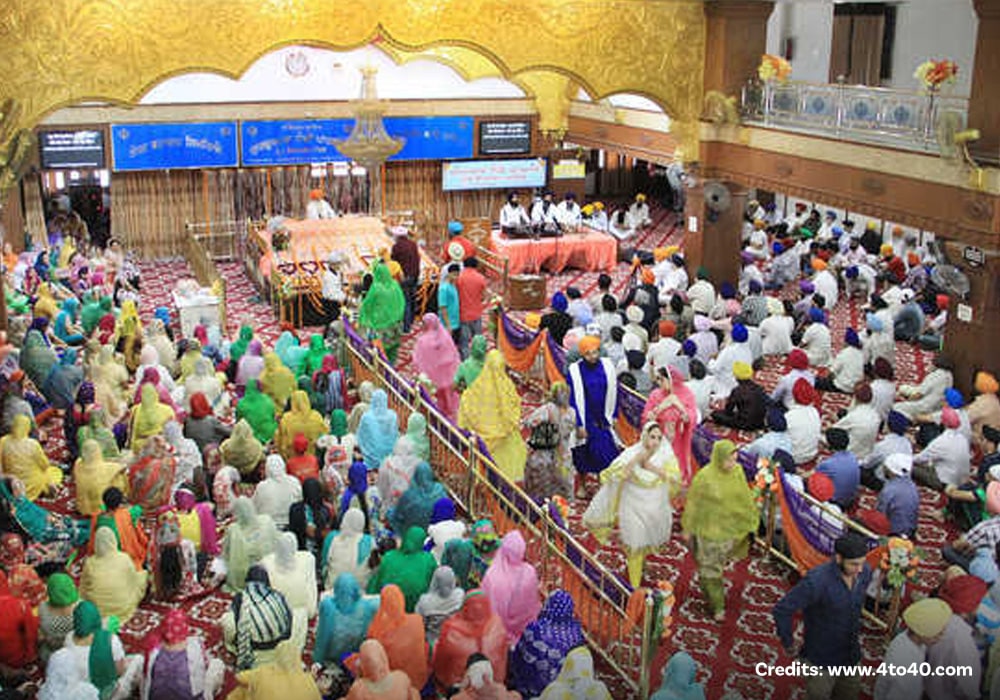
The morning of Baisakhi starts early. Devotees wake up before dawn to bathe in holy rivers or sarovars (sacred pools), purifying their minds and bodies. Following this, families dress in fresh traditional wear and head straight to the Gurdwara.
Inside the Gurdwara, the atmosphere feels both peaceful and deeply uplifting. You will hear the continuous chanting of the Guru Granth Sahib, known as Akhand Path. The community gathers to listen to Kirtans (spiritual hymns) that praise the divine and recount the bravery of the Khalsa.
One of the most beautiful aspects of the day is the Nagar Kirtan. This colorful procession moves through the streets, led by the Panj Pyare (the Five Beloved Ones) dressed in saffron robes. They carry the Sikh flag, the Nishan Sahib, while devotees sing hymns, distribute sweets, and display Gatka, the traditional Sikh martial art.
The celebrations emphasize equality and community service. Everyone sits together on the floor to share Langar, a free community meal cooked and served by volunteers. This practice reminds us that regardless of background or status, everyone is equal.
A Feast for the Soul: Popular Baisakhi Foods
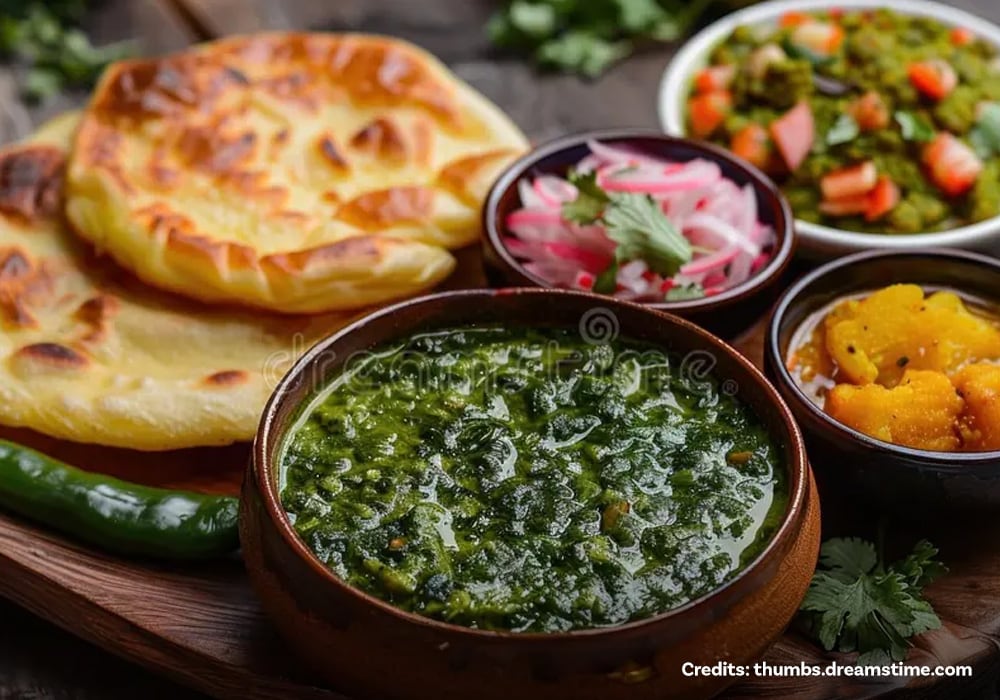
No Punjabi celebration feels complete without an abundance of rich, flavorful food. The culinary spread during this harvest festival perfectly captures the agricultural wealth of the region. Families spend hours in the kitchen preparing traditional recipes passed down through generations.
You will almost always find a steaming plate of Chhole Bature. The spicy chickpea curry paired with fluffy, deep-fried bread creates a comforting and filling meal. Another absolute staple is the classic combination of Makki Di Roti and Sarson Da Saag. This flatbread made from cornmeal, served with a spiced mustard greens gravy and a generous dollop of white butter, tastes like home.
To satisfy your sweet tooth, the festival offers an array of desserts. Kada Prasad, a rich, sweet pudding made of whole wheat flour, ghee, and sugar, is served at the Gurdwara and holds immense spiritual value. At home, families enjoy Meethe Peele Chawal (sweet yellow rice flavored with saffron and dry fruits), jalebis, and kheer. And of course, every meal ends with a tall, refreshing glass of thick, creamy Lassi.
Feel the Beat: The Energy of Bhangra and Giddha
As the sun begins to set, the real party starts. The rhythmic beating of the dhol acts as an open invitation for everyone to gather and dance. Music and movement serve as the ultimate expressions of joy for a successful harvest.
Men perform Bhangra, a high-energy dance that originally mimicked the motions of farming—like sowing seeds and harvesting crops. Today, it features acrobatic jumps, loud cheers, and fast-paced footwork. The dancers move in perfect synchronization, radiating an infectious energy that makes it impossible to stand still.
Women take the stage with Giddha, a dance that combines graceful movements with lively storytelling. Participants form a circle and take turns stepping into the center to recite “boliyan” (couplets) that range from humorous anecdotes about family life to tales of love and nature. They clap their hands to keep the rhythm, creating a highly interactive and spirited performance.
Dress to Impress: Baisakhi Outfit Ideas
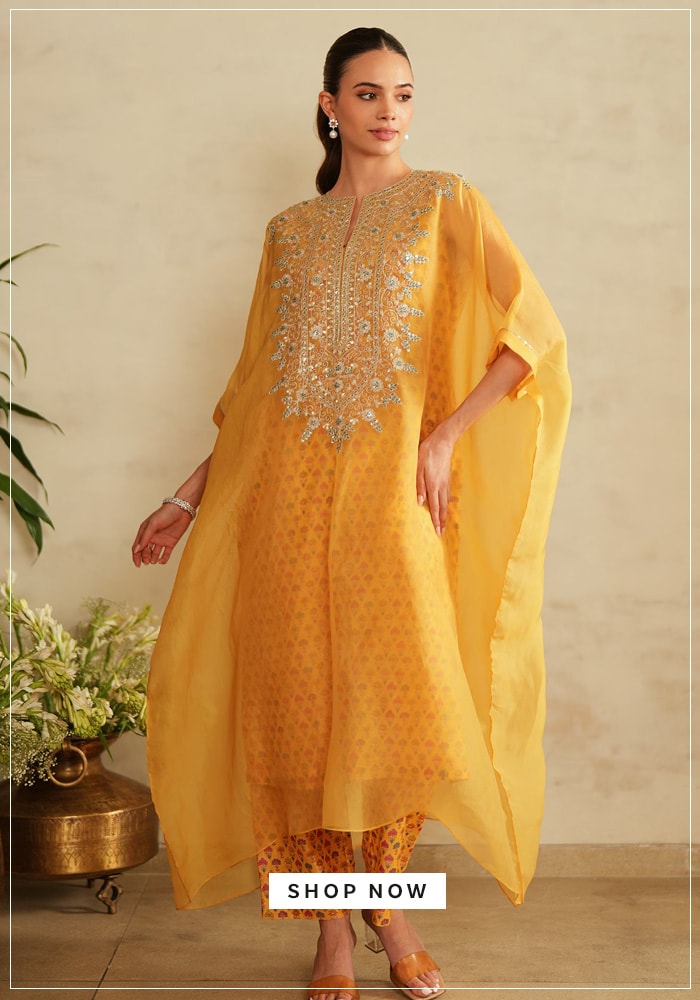
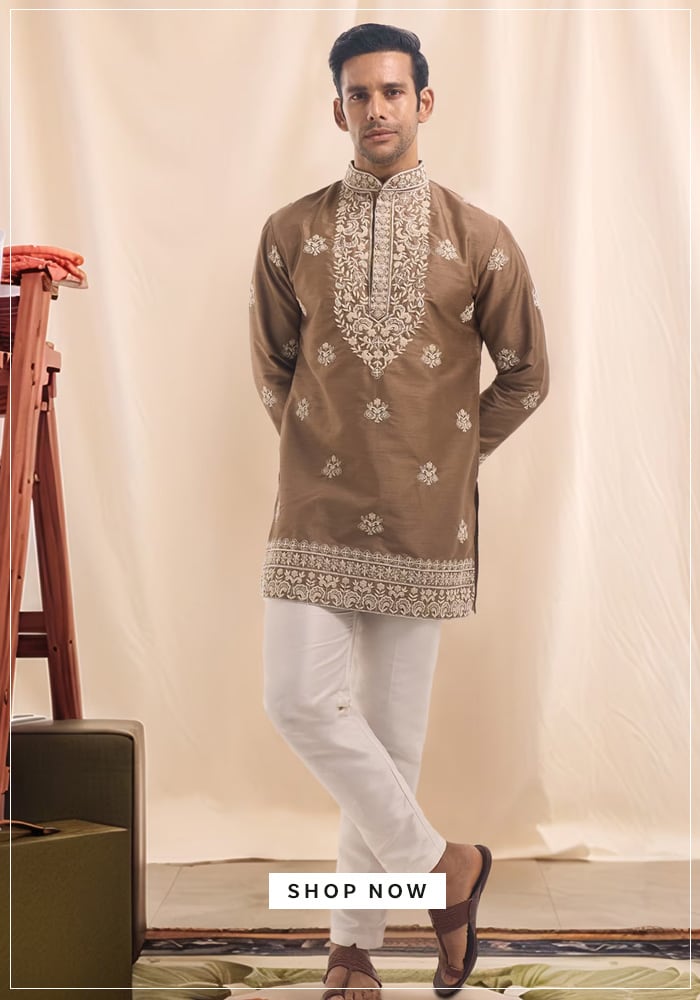
When attending a vibrant cultural event, your wardrobe choices play a huge role in the experience. Bright, bold colors like yellow, orange, red, and green dominate the scene, reflecting the blossoming spring and the golden harvest. If you want to nail your festival fashion this year, we have gathered some incredible Punjabi outfits to help you stand out.
Traditional Punjabi Suits
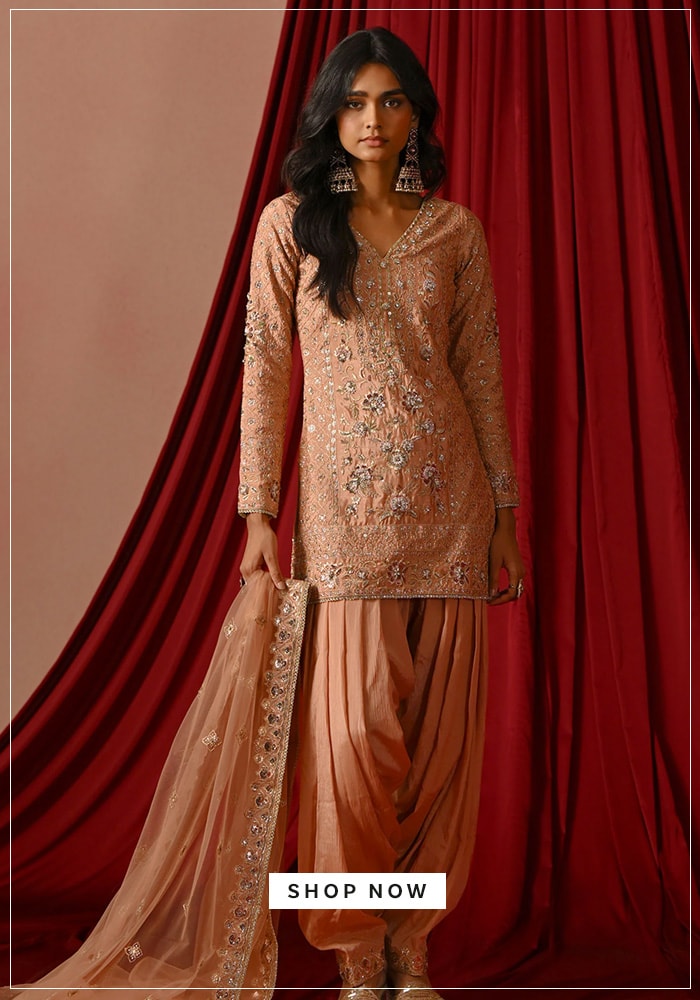
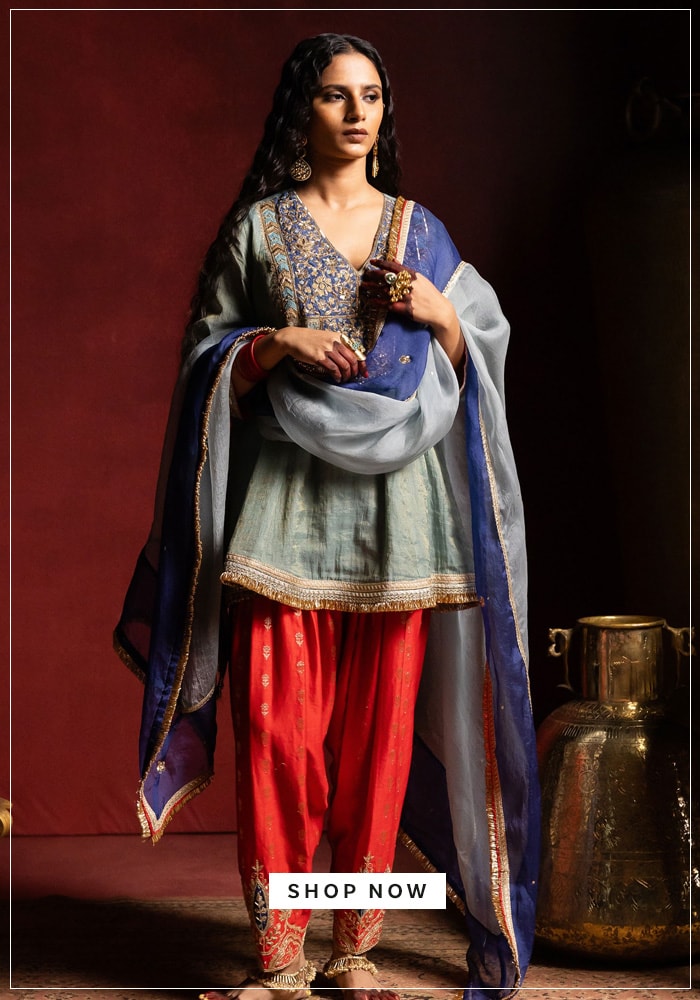
The classic Salwar Kameez remains the most popular choice for women. To capture the authentic festive spirit, opt for a Patiala suit. The voluminous, pleated trousers paired with a short, fitted kameez look incredibly flattering and provide the freedom to dance comfortably. Choose fabrics like silk or georgette adorned with intricate Phulkari embroidery. A heavily embroidered Phulkari dupatta thrown over your shoulder instantly elevates the entire look.
Elegant Lehengas
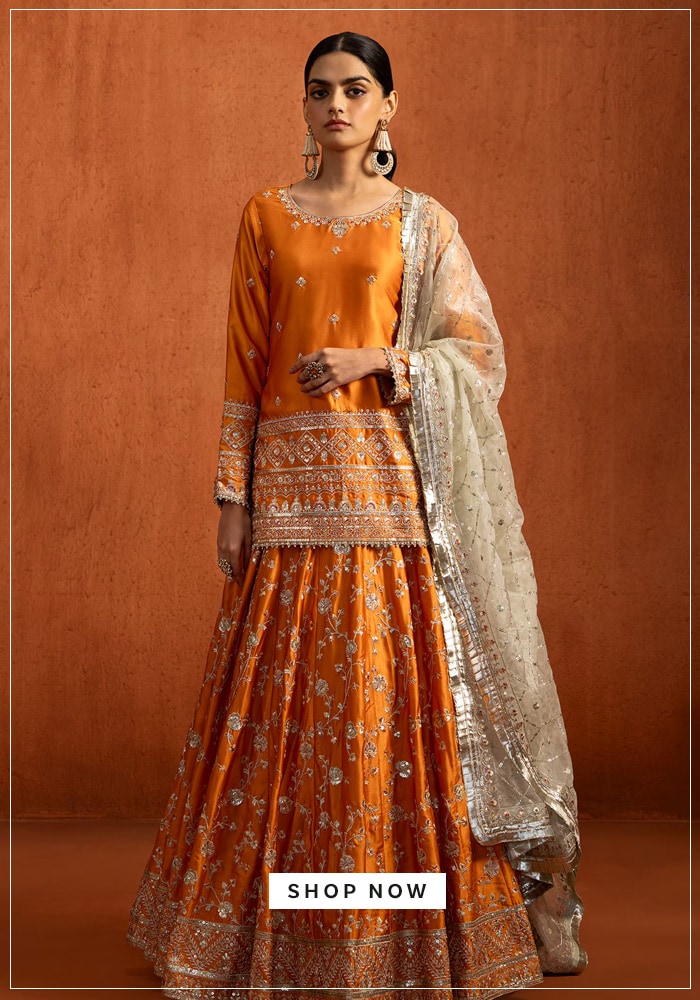
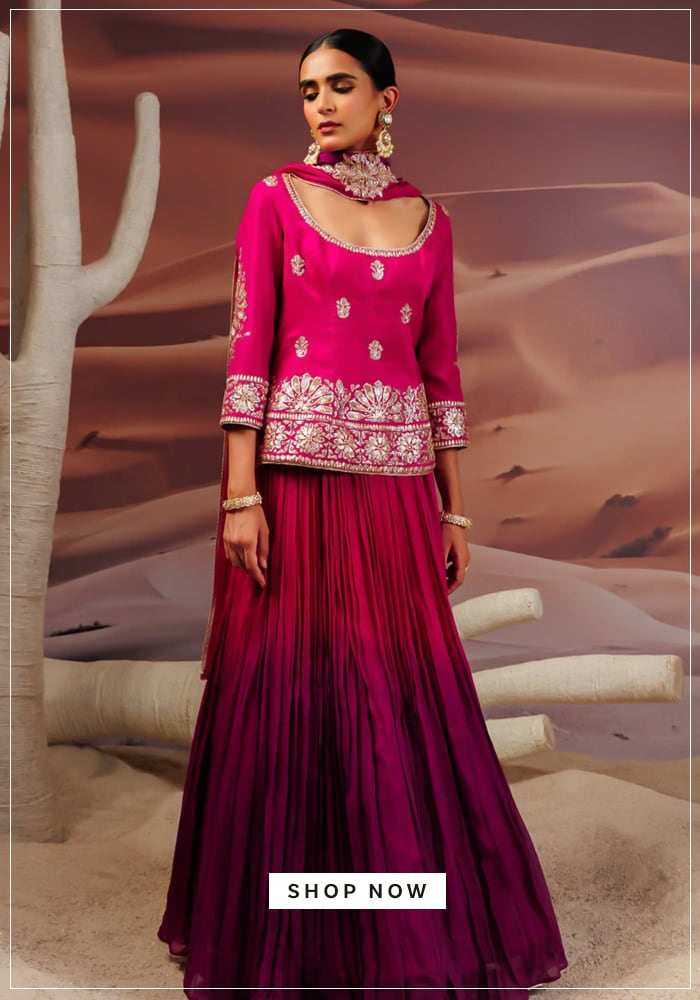
If you want to wear something slightly more glamorous, a designer lehenga works beautifully. While lehengas are often associated with weddings, a lightweight, vibrantly colored lehenga choli fits right into a spring celebration. Look for designs featuring mirror work, gota patti detailing, or vibrant block prints. Pair it with statement jewellery like large jhumkas and a maang tikka to complete your elegant traditional wear outfit.
Classic Kurta-Pajamas
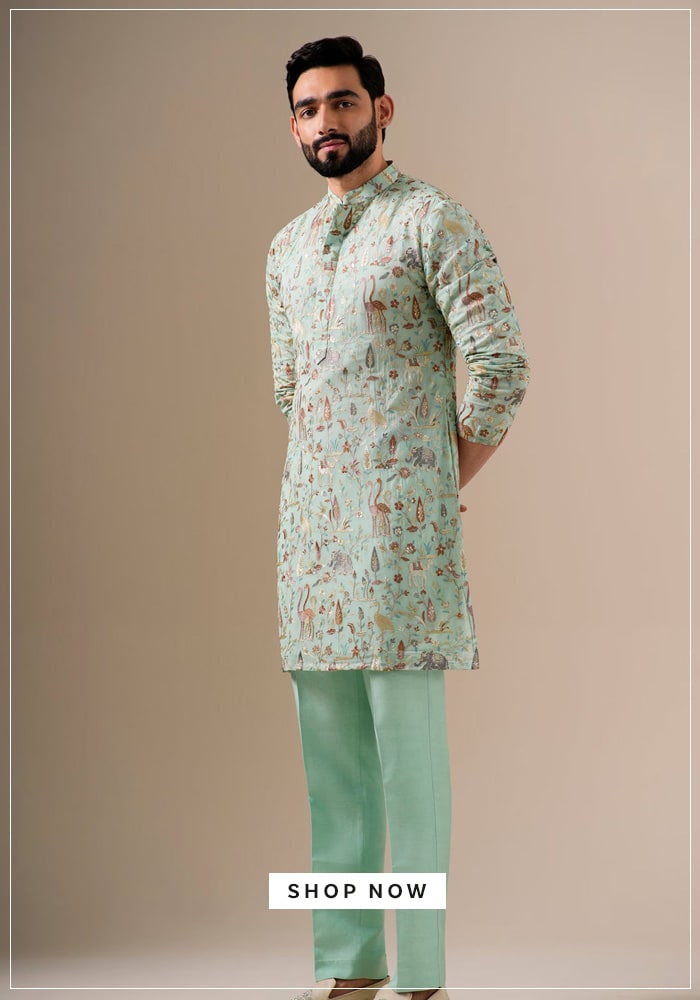
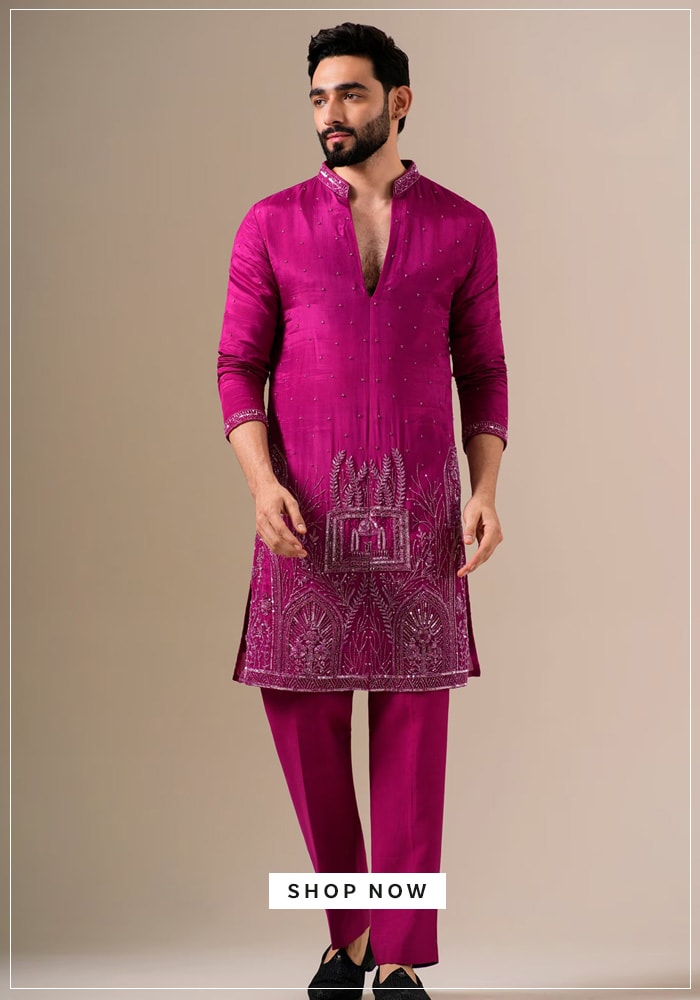
For men, comfort meets style in the classic Kurta-Pajama. A well-fitted silk or cotton kurta in mustard yellow or rich orange perfectly honors the festival’s color palette. To add an extra layer of sophistication, wear a contrasting Nehru jacket over your kurta. Do not forget the traditional footwear—a pair of leather juttis will tie the whole outfit together while keeping your feet comfortable through all the dancing.
Trendy Fusion Wear
If you love mixing modern trends with ethnic elements, fusion wear offers endless possibilities. Women can pair a heavily embroidered crop top with a long, flowy skirt or try a draped dhoti-style pant with a peplum top. Men can opt for a short, printed kurta worn over well-fitted denim jeans or chinos. Fusion Punjabi outfits allow you to respect the cultural dress code while showcasing your personal, contemporary style.
Embrace the Joy of Spring
This brilliant festival brings people together to share gratitude, laughter, and love. From the soulful prayers at the Gurdwara to the delicious bites of Kada Prasad, every moment holds a special meaning. As you prepare for the festivities, put on your finest clothes, practice your dance moves, and get ready to celebrate the season of abundance. Whether you are spinning in a colorful Phulkari dupatta or tapping your feet to the dhol, the spirit of Punjab will surely capture your heart.
The post Inside a Baisakhi Celebration: Rituals, Food, Dance & Outfit Ideas appeared first on Aza Editorials.